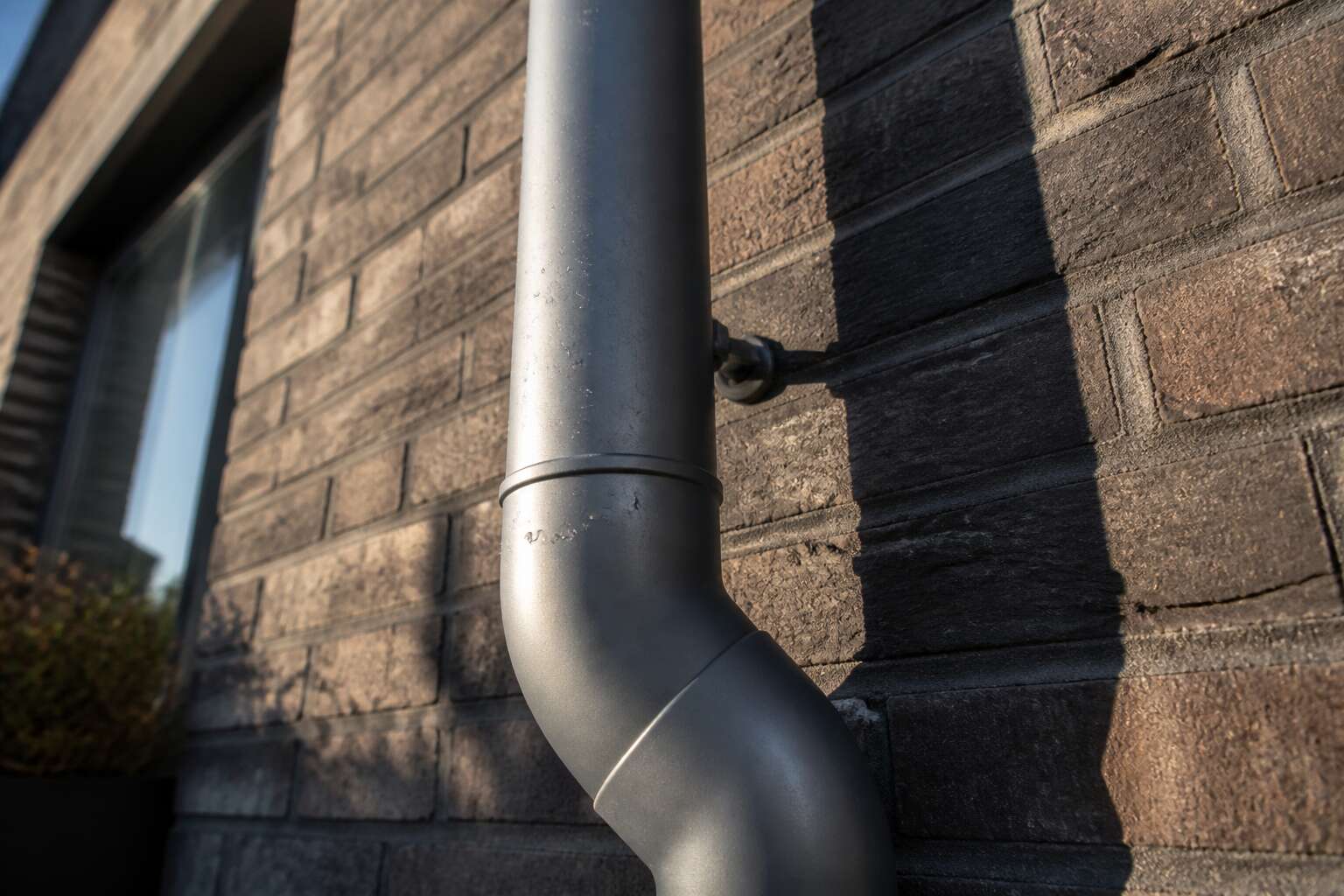
Key Benefits of Selecting Aluminium
During a Highveld thunderstorm, one roof can shed over a thousand litres of water in minutes. This is where aluminium downpipes prove their worth. They protect your property’s foundations, resisting acidic rain better than steel. Unlike PVC, aluminium holds its shape when the sun beats down relentlessly.
- They resist corrosion with minimal care, even near the coast.
- Sections join cleanly, reducing leaks that plague older systems.
- Their weight allows easy handling on a ladder, saving installation time.
I have watched aluminium outlive two generations of galvanised rivals. The material develops a subtle patina, yet remains structurally true. For South African homes, this permanence offers reliability without constant fuss.
Materials Comparison: Aluminium vs Steel vs PVC
Every material eventually reveals its true nature under pressure, and weather in South Africa applies that pressure without mercy. Steel downpipes, despite their raw strength, have an Achilles heel you cannot ignore. They corrode, especially in coastal regions where salt hangs in the air like a persistent ghost. The pitting starts small, then spreads, and before long you are looking at rust stains bleeding down your walls.
PVC seems like a clever escape from that fate, but it brings its own compromises. When the Highveld sun beats down day after day, ultraviolet radiation makes the plastic brittle. A single careless ladder placement, or a tree branch scraping in a storm, creates fractures that weep water into your foundation.
Aluminium downpipes offer a quiet middle path. They form a protective oxide layer that stops corrosion in its tracks, while staying lightweight enough for effortless installation and strong enough to shrug off impacts. No painting, no patching, no premature replacement. Just dependable service that sits at the intersection of practicality and peace of mind.
Installation Essentials for Metal Downpipe Systems
Installing aluminium downpipes is a quiet act of faith in the weather. Each joint and bracket carries the weight of a future storm, and the work asks for precision.
Consider the essentials before you lift a single length. Brackets should sit snug at every joiner to stop movement. Seal each connection with an approved mastic to keep water where it belongs. Allow for thermal expansion, because metal moves with the heat and the cold.
I have found that the order of operations matters more than skill:
- Measure the fall from the gutter to the ground first.
- Fix the top bracket, then work downward.
- Test the flow with a bucket of water before final fixing.
Aluminium downpipes reward patience, and the reward is a wall that stays dry for decades. In the Cape rain, that is the difference between a sound home and a damp one.
Maintenance Tips for Long-lasting Rainwater Dispersal
Aluminium downpipes rarely get the attention they deserve. In South Africa, where summer rainfall arrives with explosive force, a blocked downpipe turns a simple gutter system into a flooding hazard. I recommend checking your system twice a year, once before the rainy season and once after autumn leaves fall.
- Clear debris from the strainer and gutter outlets
- Flush the downpipe with a garden hose to reveal blockages
- Inspect mounting brackets for rust or loose fixings
- Check joints and seams, where leaks first appear
The water flowing through your downpipes carries sand, leaves and dust that settle inside bends and narrow the channel over time. A five minute flush prevents years of frustration!
Aluminium downpipes also dislike contact with certain metals. When copper or steel fittings touch the aluminium, galvanic corrosion begins. Use rubber spacers or plastic connectors to keep the metals separated.
Environmental Impact and Recyclability
Aluminium downpipes rarely die. Forty years of rain and hail barely phase them. When the time finally comes, they get recycled into new aluminium downpipes. Aluminium can be remelted endlessly without losing quality. Plastic cannot claim the same dignity!
South Africa’s scrap metal industry handles a mountain of this material. A standard home yields around thirty kilograms of old downpipes. That aluminium keeps roughly 95% of its value when reprocessed. The energy saved by recycling a single tonne could power a small suburb for a week.
Your gutter system is a future resource. You are not throwing away pipes. You are storing wealth in an awkward, cylindrical form.



0 Comments